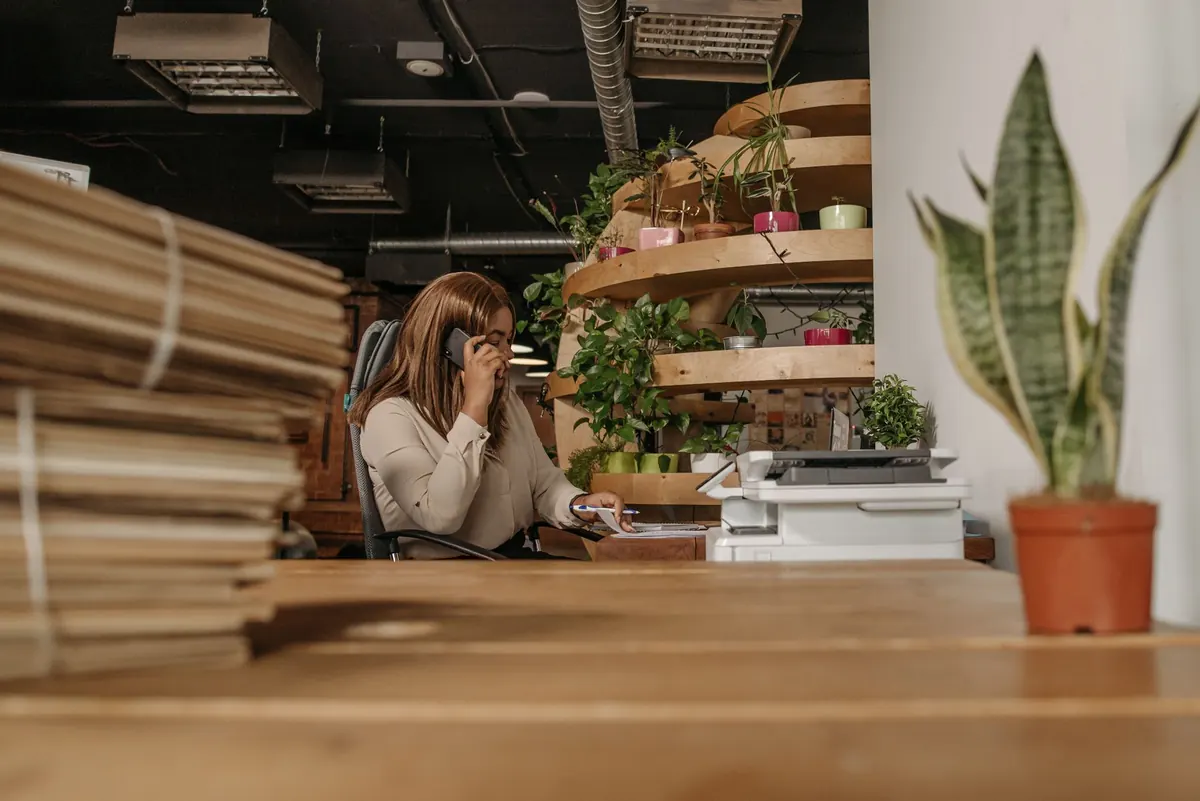
There is a moment in most home-working setups when the spare bedroom stops feeling like a bonus and starts feeling like a compromise. The desk is wedged between a guest bed and a wardrobe, the door does not quite shut, and every call is a negotiation with whoever needs the ironing board. A garden office promises an end to all that — at a price, and with a few complications worth understanding before you order anything.
Both options work. They simply work in different ways, and for different households.
Using a spare bedroom is, on paper, close to free. If the room already has a radiator, a window and a plug socket, you might spend a few hundred pounds on a desk that suits your screen height, a chair that will not wreck your back, and some shelving. That is the whole bill unless you decide to redecorate or add built-in storage.
A garden office is a different scale of project. You can buy an insulated garden room for a few thousand pounds, or spend a good deal more on a bespoke build with full electrics, heating, glazing and a plastered interior. The structure is only part of the cost. You will also need a proper base, whether that is a concrete slab or ground screws, a cable run from the house, and often lighting, heating and a boosted broadband signal.
Then there is the running cost. A garden office used five days a week draws electricity for heating and light, and it needs occasional maintenance: resealing, treating timber, clearing gutters, checking the roof. A spare bedroom shares the house's heating, so its marginal running cost is close to nothing.
If you are self-employed or run a limited company, some of the cost of a workspace can often be claimed, but the rules depend on your circumstances and on how the space is actually used. The complication with a spare bedroom is that claiming a proportion of household bills usually means the room is used exclusively for business — and that can have consequences later. The same principle works in reverse for an outbuilding used only for work, which may fall outside reliefs that normally apply to your main home.
None of this is a reason to avoid either option. It is a reason to speak to an accountant before you build anything or start claiming. Half an hour of professional advice now is cheaper than unpicking the consequences in five years' time.
Garden offices are often covered by permitted development rights, which means no planning application. Often, not always. In England, the standard limits for outbuildings include height restrictions, particularly where the building sits within two metres of a boundary, and rules about how much of your garden can be covered. Flats, maisonettes, listed buildings and homes in conservation areas — or where permitted development rights have been removed — are treated differently and usually need consent. Rules vary across the UK, so check the guidance for your nation and your local authority.
In practice:
If anything is unclear, ask. Planning officers answer these questions constantly and would far rather discuss a sketch than a finished building.
Twenty paces to the spare bedroom sounds convenient, but that is exactly the problem: there is no boundary between the working day and everything else. The laptop stays open at dinner. You check one more email while the kettle boils.
A garden office gives you a ritual. You walk out, you work, you shut the door and walk back. It sounds trivial until you have done it for a month. The trade-off is weather and warmth — a garden room takes time to heat on a January morning, so if you start at seven, plan for it.
A spare bedroom is rarely truly spare. It is where guests sleep, where the ironing board lives, where the Christmas presents are hidden. Work in that room and every one of those uses becomes a negotiation. Noise travels both ways too: a washing machine, a teenager's bassline and a doorbell all land in the middle of your calls.
A garden office removes that friction, but it does not remove you from the household. If you are the person who answers the door or collects a child from school, being at the end of the garden makes those little interruptions slightly longer. And your overnight guests will need a new home.
This is where the spare bedroom usually loses. Buyers count bedrooms at a glance on a floorplan. A four-bedroom house that has quietly become a three-bedroom house with a study will feel smaller to most family buyers, and that can affect what they are willing to pay.
A garden office tends to read as a bonus rather than a loss, provided it is done well. An insulated, wired, properly finished room with a solid door is an asset. A damp shed with a desk pushed inside is a problem the buyer will price in. Make sure it is listed correctly in the fixtures and fittings, and check that your home insurance covers the structure and its contents.
Work through these honestly:
There is also a middle path: keep the bedroom as a bedroom and upgrade it properly, with a decent door seal, acoustic panels, good lighting and a rule that the desk is covered at six o'clock. It is not as satisfying as a building at the end of the garden, but it costs a fraction as much and leaves your floorplan intact.
Whichever route you take, sort the practicalities early: broadband that reaches the room, heating you will actually use, insurance that covers the setup, and a clear answer on tax and planning. For anything involving money or property law, take advice from a qualified accountant or your local planning authority rather than relying on a forum thread.
Photo: Pavel Danilyuk / Pexels
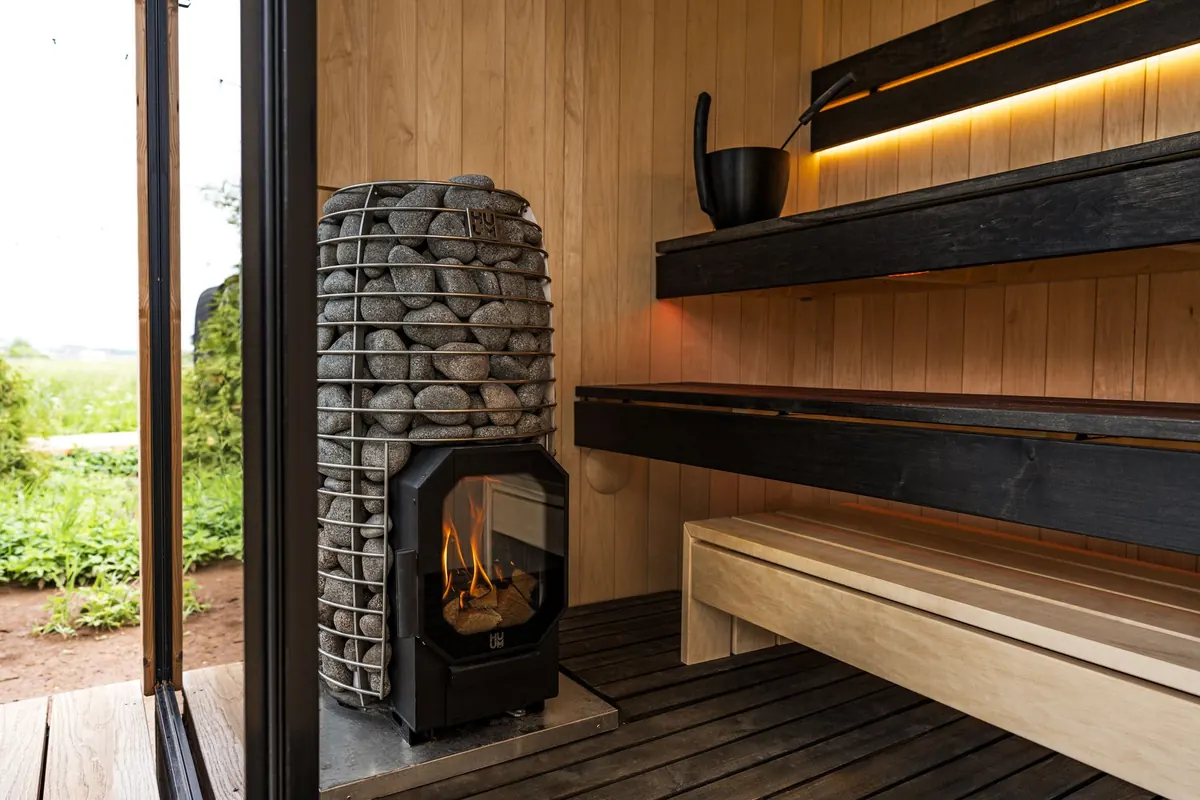
How electric, infrared, wood burner and other garden room heaters compare on running costs, installation and...

Zone, shelter and light a corner of your garden properly, and you will use it from early spring to late autumn — not...

Cold surfaces, trapped moisture and poor airflow make sheds sweat. Here is how to find the cause, stop the drips and...

Cosy wooden garden rooms and outdoor retreats.